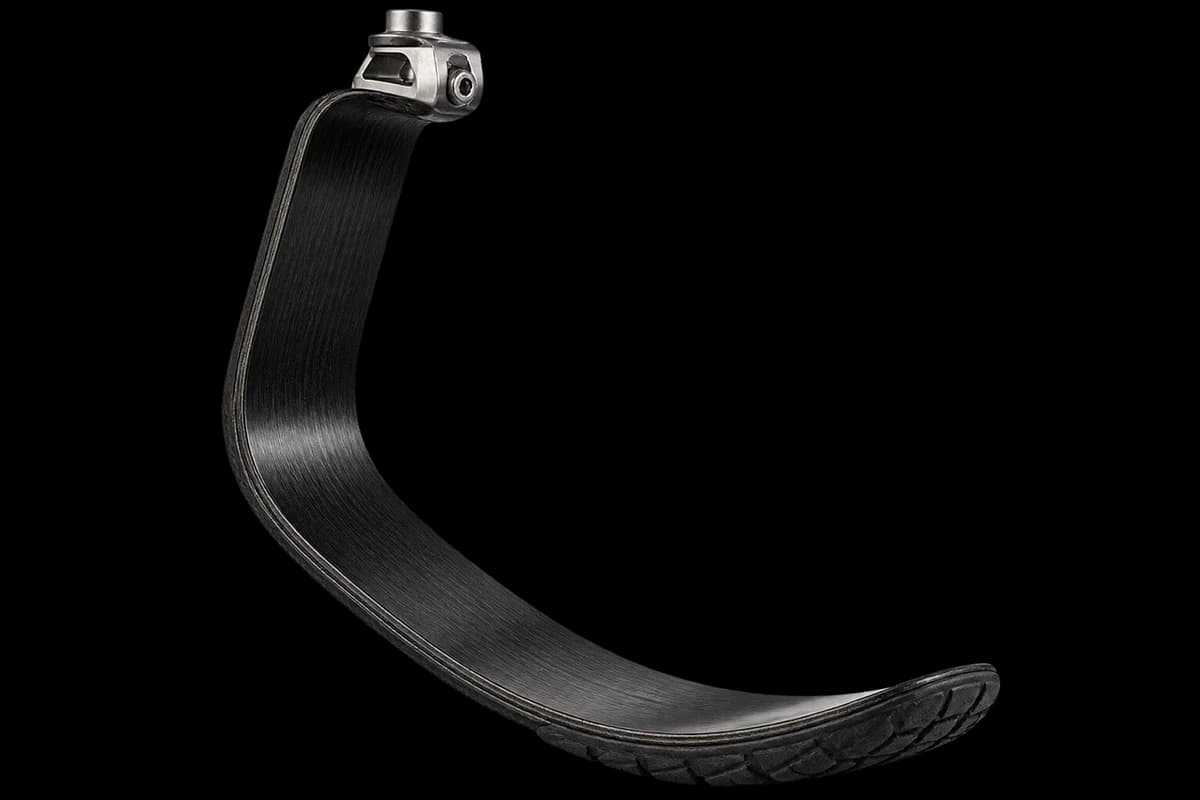
Lower vehicle weight
A lightweight spring can reduce vehicle mass and leave more payload allowance.

Application & Value
Combine spring function and low mass in a load-bearing component.
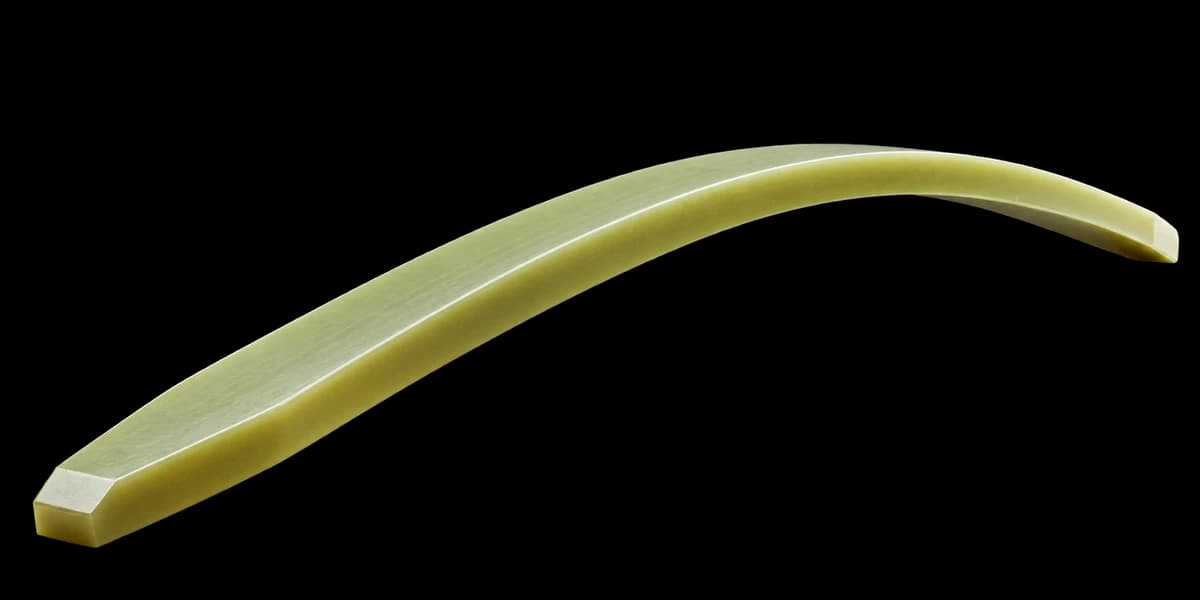
A vehicle spring must carry loads and deform repeatedly in a controlled way. Spring response, available space and cyclic loading must work together. The spring itself also contributes to vehicle weight.
A glass-fibre composite leaf spring uses elastic bending to absorb and release energy. Geometry and composite structure together determine its spring response. The attachments transfer forces to the chassis, making the spring part of the axle system.
A lightweight spring can reduce vehicle mass and leave more payload allowance.
Elastic deformation can be tailored to loads and the intended suspension response.
The load-bearing structure also provides the spring action. Value comes from combining these functions.
A composite structure can be designed for controlled flexibility. In spring components, deformation is part of the function. For other applications, this raises the question of whether a load-bearing part could also provide elastic motion or energy storage.
CoDe structures your challenge and clarifies relevant solution directions. CoDe Matching connects your enquiry with suitable capabilities and companies. You gain a sound basis for your decision.