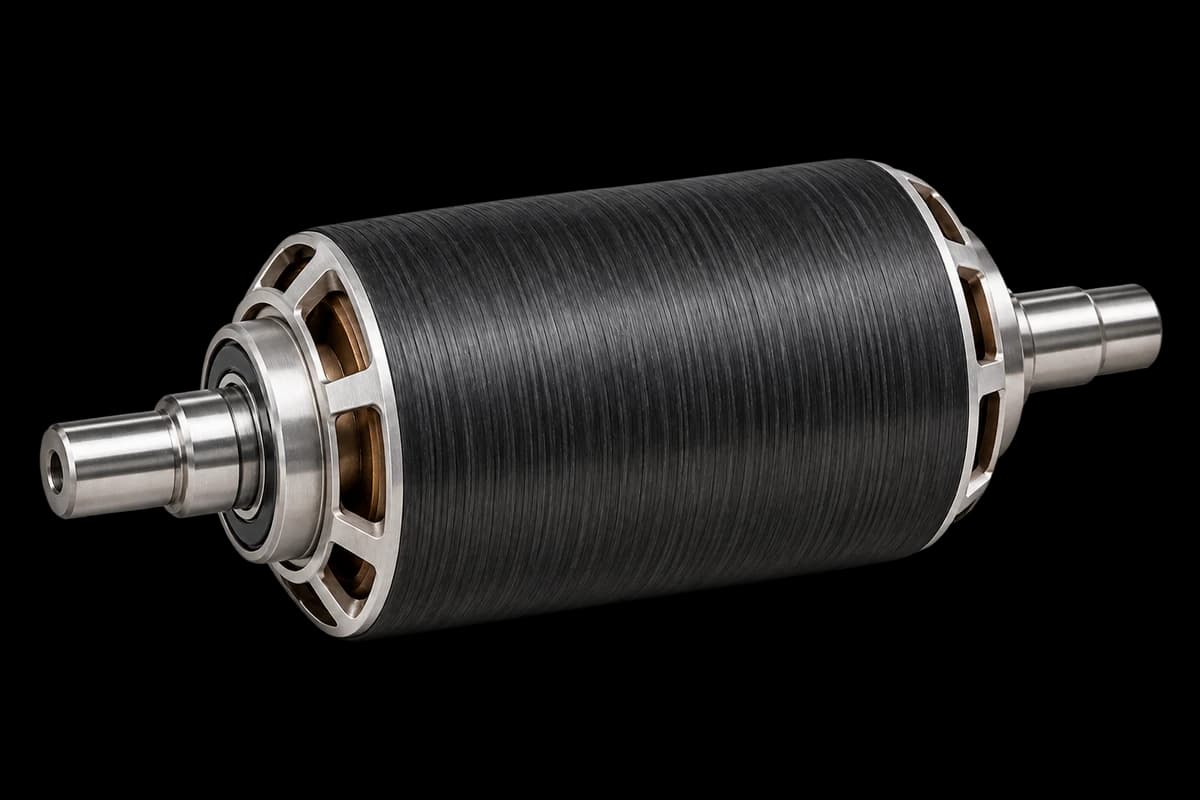
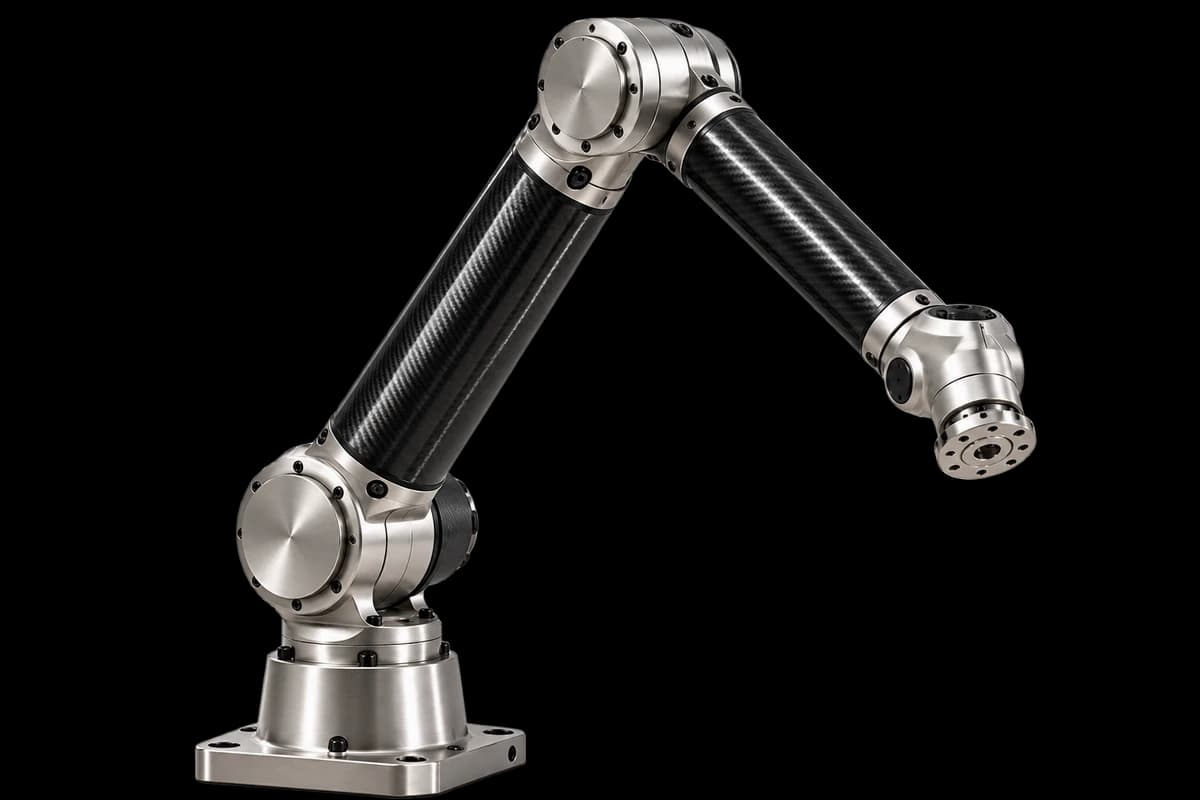
More responsive drivetrain
Low inertia facilitates changes in rotational speed and can reduce drive loads during acceleration.

Application & Value
Transmit torque while reducing rotating mass.
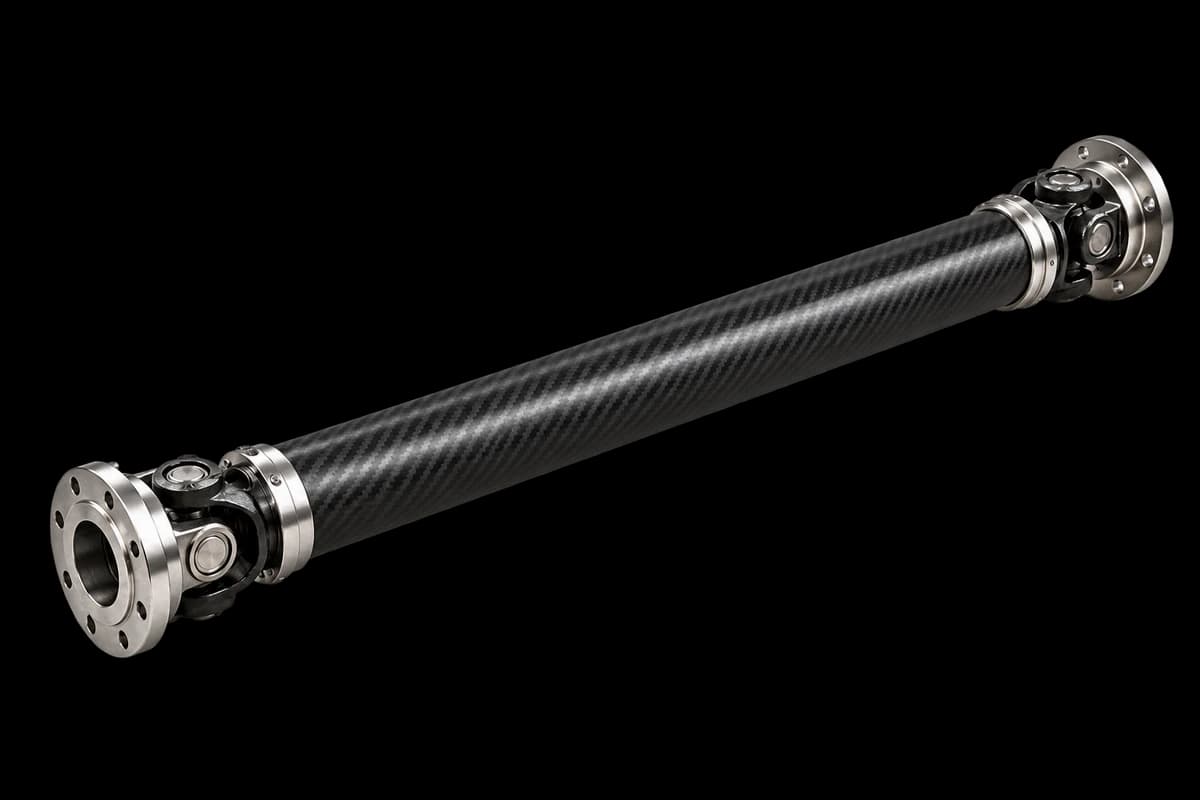
A drive shaft must transmit torque. Mass, vibration and available space constrain its design.
A fibre-reinforced shaft body combines low mass with tailored torsional and bending stiffness. Its structure can be adapted to torque transmission and behaviour during rotation. Together with its end connections, it forms a shaft whose benefits extend to the drivetrain as a whole.
Low inertia facilitates changes in rotational speed and can reduce drive loads during acceleration.
Longer unsupported spans can eliminate intermediate bearings. Where speed and loads permit, this reduces the number of components to assemble.
Tailoring stiffness and damping can support smoother operation.
In rotating components, mass and stiffness also influence supports and dynamic behaviour. A component comparison should therefore include the entire shaft arrangement. For other drivetrain products, the greater benefit may lie in a simpler system architecture or more suitable operating behaviour.
CoDe structures your challenge and clarifies relevant solution directions. CoDe Matching connects your enquiry with suitable capabilities and companies. You gain a sound basis for your decision.