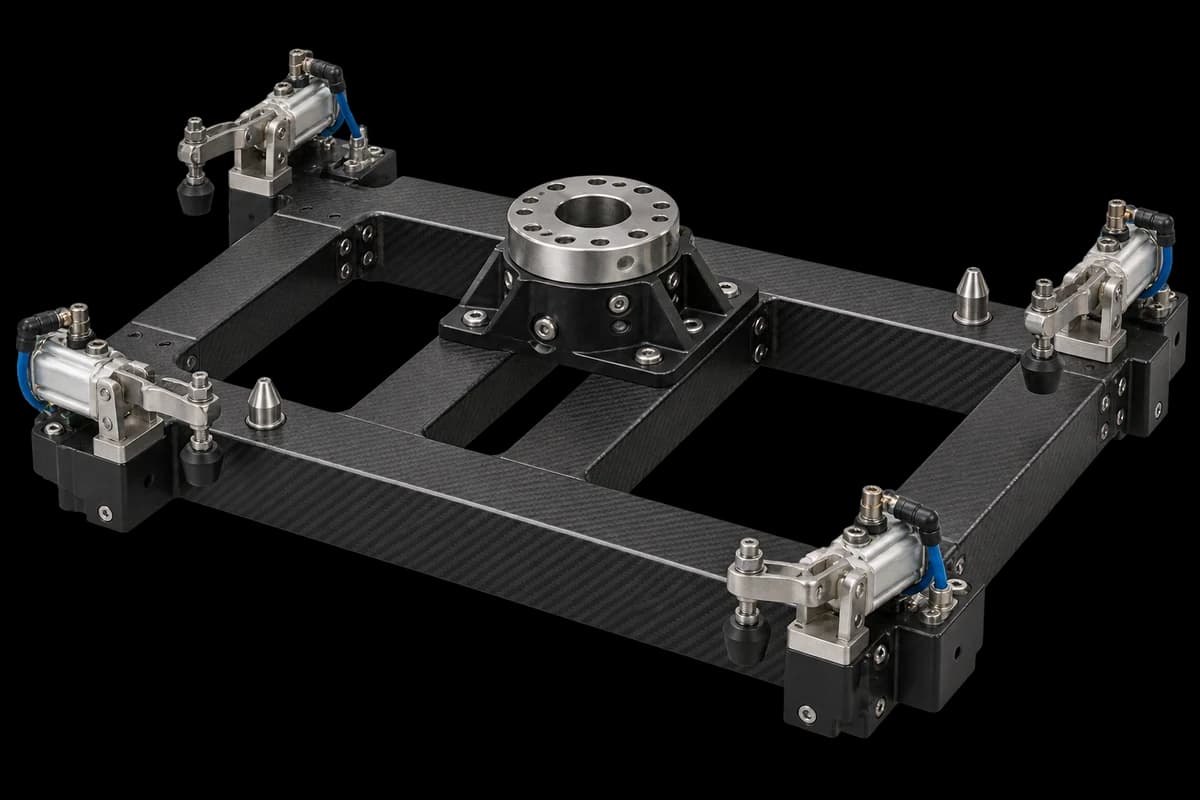
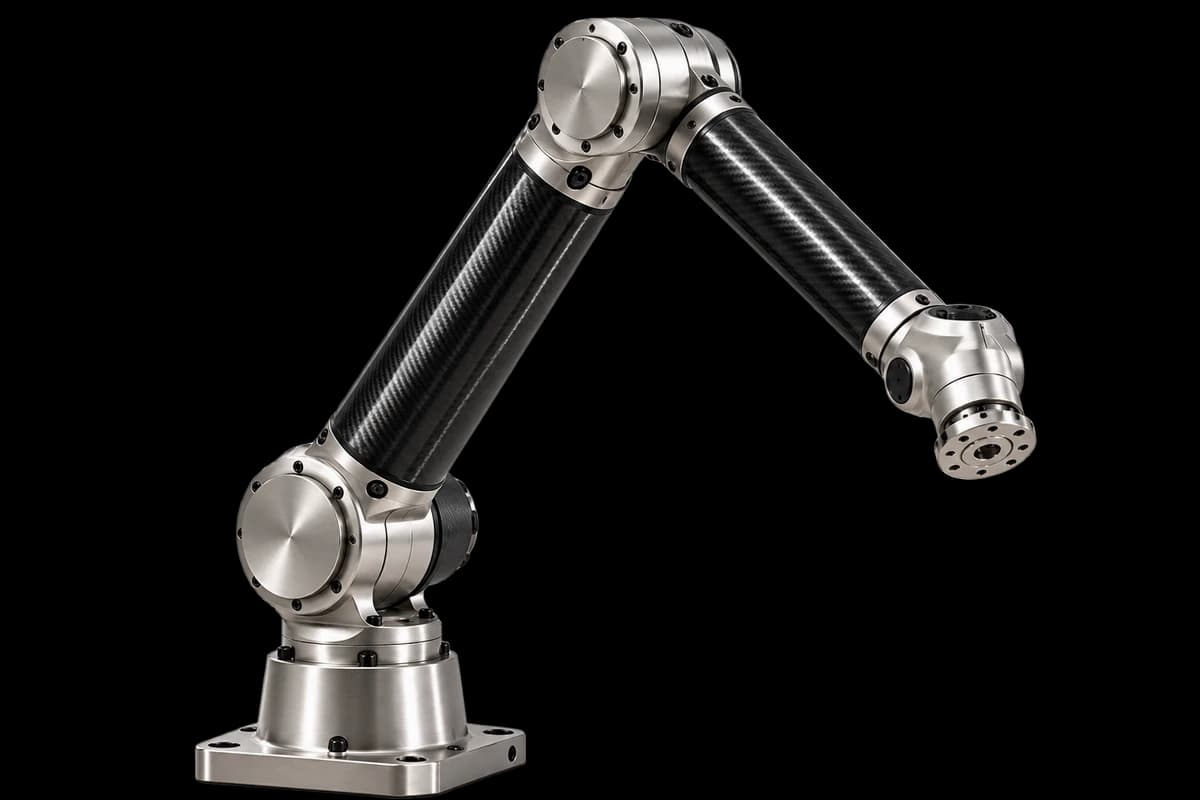
Lower component weight
A composite profile designed around its loads can reduce strut weight compared with a metallic solution.

Application & Value
Transfer tensile and compressive loads at low weight.
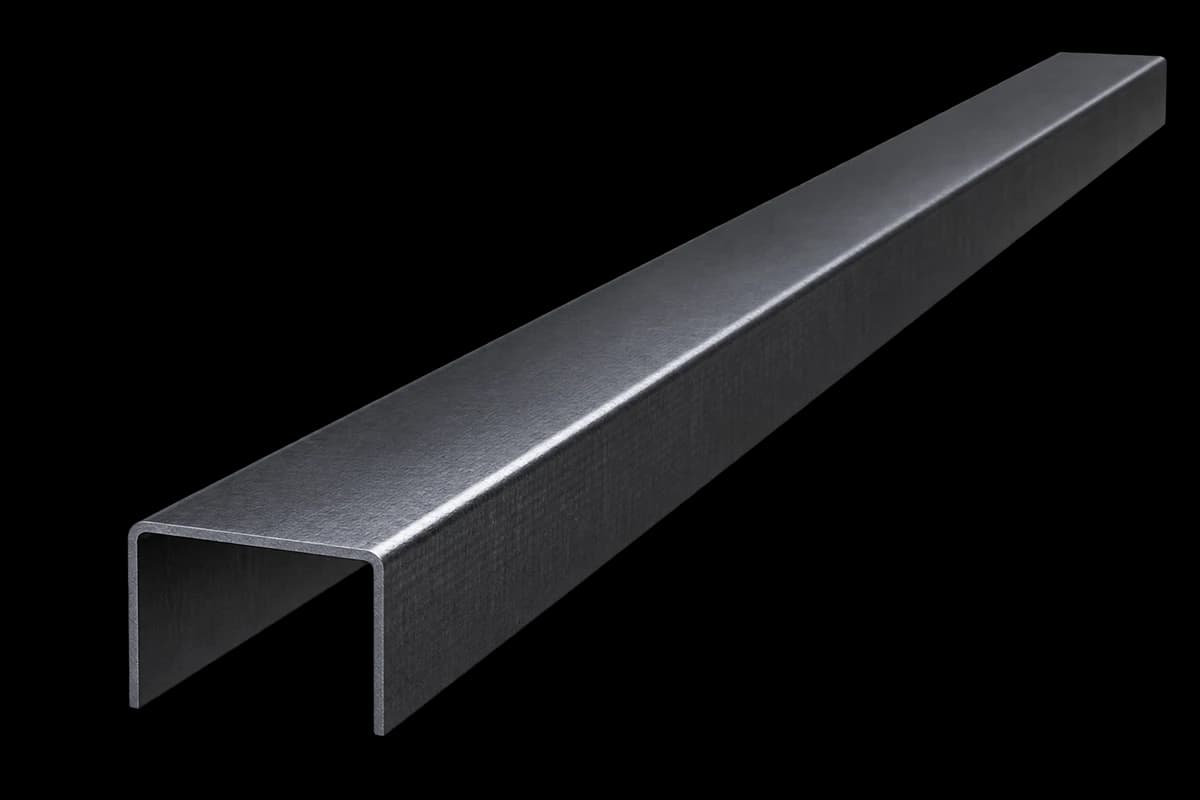
Aircraft struts must reliably transfer tensile and compressive loads between defined attachment points. Weight and deformation need to remain low. Under compression, resistance to buckling also matters.
An open thermoplastic composite profile can combine high stiffness with low weight. Fibre orientation and profile cross-section are tailored to the loads. Attachments transfer forces into the surrounding structure and must be designed together with the profile. Suitability of the complete strut must be demonstrated for its intended use.
A composite profile designed around its loads can reduce strut weight compared with a metallic solution.
High longitudinal stiffness helps maintain the position of connected components under load.
Tailored attachments transfer forces between the lightweight profile and the surrounding structure.
For a load-transferring strut, the weight of the profile alone is not decisive. Stiffness, stability under compression and load transfer at the ends must be considered together. The same approach is relevant to supports and connecting members in machinery or other lightweight structures.
CoDe structures your challenge and clarifies relevant solution directions. CoDe Matching connects your enquiry with suitable capabilities and companies. You gain a sound basis for your decision.